

Puzzle 2 - Hard - Neisseria
Difficulty:


This isolate sequence is from Neisseria meningitidis.
Gene NEIS1927: Isolate 54264.
Can you solve the mystery of what's happened?!?
Let's start by looking at the image presented on Zooniverse. Use the section on the right to check your answers.
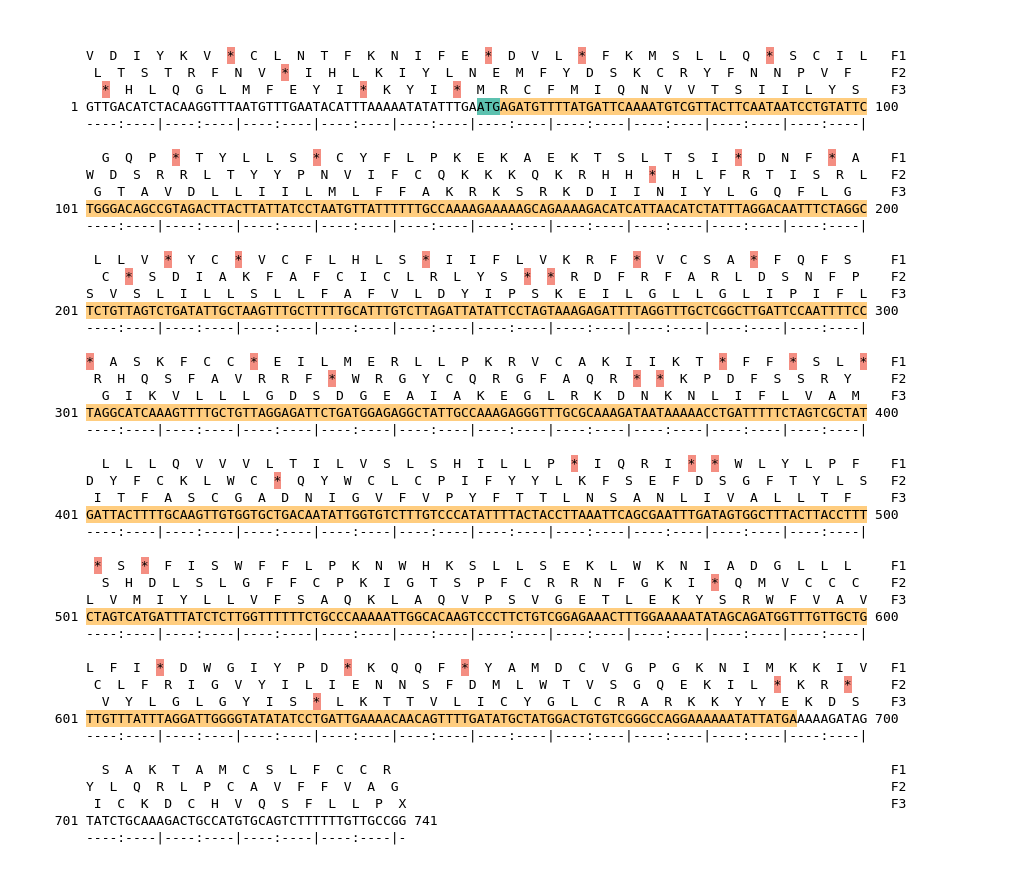
What does this tell us?
Something is different towards the end of the gene.
Next we need to compare our isolate sequence (the yellow highlighted sequence in the Zooniverse image) to defined allele sequences of the gene.
1. Download the defined alleles from PubMLST - click here for the guide. The gene we are looking at is NEIS1927. If you struggle with this step, download here.
2. Open the defined alleles in MEGA - click here for the guide.
3. Copy the yellow highlighted sequence from below and paste it into MEGA.
Double click to highlight the whole sequence (it will include the part you have to scroll to) and copy it.
ATGAGATGTTTTATGATTCAAAATGTCGTTACTTCAATAATCCTGTATTCTGGGACAGCCGTAGACTTACTTATTATCCTAATGTTATTTTTTGCCAAAAGAAAAAGCAGAAAAGACATCATTAACATCTATTTAGGACAATTTCTAGGCTCTGTTAGTCTGATATTGCTAAGTTTGCTTTTTGCATTTGTCTTAGATTATATTCCTAGTAAAGAGATTTTAGGTTTGCTCGGCTTGATTCCAATTTTCCTAGGCATCAAAGTTTTGCTGTTAGGAGATTCTGATGGAGAGGCTATTGCCAAAGAGGGTTTGCGCAAAGATAATAAAAACCTGATTTTTCTAGTCGCTATGATTACTTTTGCAAGTTGTGGTGCTGACAATATTGGTGTCTTTGTCCCATATTTTACTACCTTAAATTCAGCGAATTTGATAGTGGCTTTACTTACCTTTCTAGTCATGATTTATCTCTTGGTTTTTTCTGCCCAAAAATTGGCACAAGTCCCTTCTGTCGGAGAAACTTTGGAAAAATATAGCAGATGGTTTGTTGCTGTTGTTTATTTAGGATTGGGGTATATATCCTGATTGAAAACAACAGTTTTGATATGCTATGGACTGTGTCGGGCCAGGAAAAAATATTATGA |
Scroll across and you'll see how the sequences vary. Can you spot how it varies from the allele sequences?
Focus on the top 10 alleles. The alleles further down have more variation, we don't want to focus on these. Some alleles will have internal stop codons - this can be a bacterium's way of turning off a gene.
Check out the hint below if you get stuck.

Focus on the end of the gene, can you spot how the isolate sequence is different compared to the other sequences?

What has happened?
Focusing on the end of the gene, you can see the isolate sequence appears to be a base short. The arrow at site 571 identifies where the base loss has occurred. It's likely either a G or A has been lost, leading to all the bases shifting up one. This is a single base deletion that causes a frameshift. The original stop codon TGA is now out of frame.


What does this mean for a bacterium?
In a bacterium the protein making machinery would continue until it reaches a stop codon. In this case, we were unable to identify a stop codon within the last 50 bases of the gene. There is however an internal stop codon at position 580 in our sequence (630 in the Zooniverse image). This is present due to the frameshift. This means the protein would be shorter than usual. It may be functional (or partly) as it is near the end, in vivo studies would be required to test this.
What would a curator do?
A curator would make a new allele noting the frameshift and internal stop codon.